

Bingo on iPhone has shifted how casual players think about session length, queue times and touch-friendly card marking across Australia. Rather than chasing the loudest lobby, this approach usually values predictable pacing, clearer paytable visibility and a layout that survives a crowded train ride into the CBD. For anyone weighing a phone-first bingo habit, the practical question is whether the mobile experience actually matches how you play between meetings and weekend arvos.
How the mobile bingo design differs from a desktop lobby
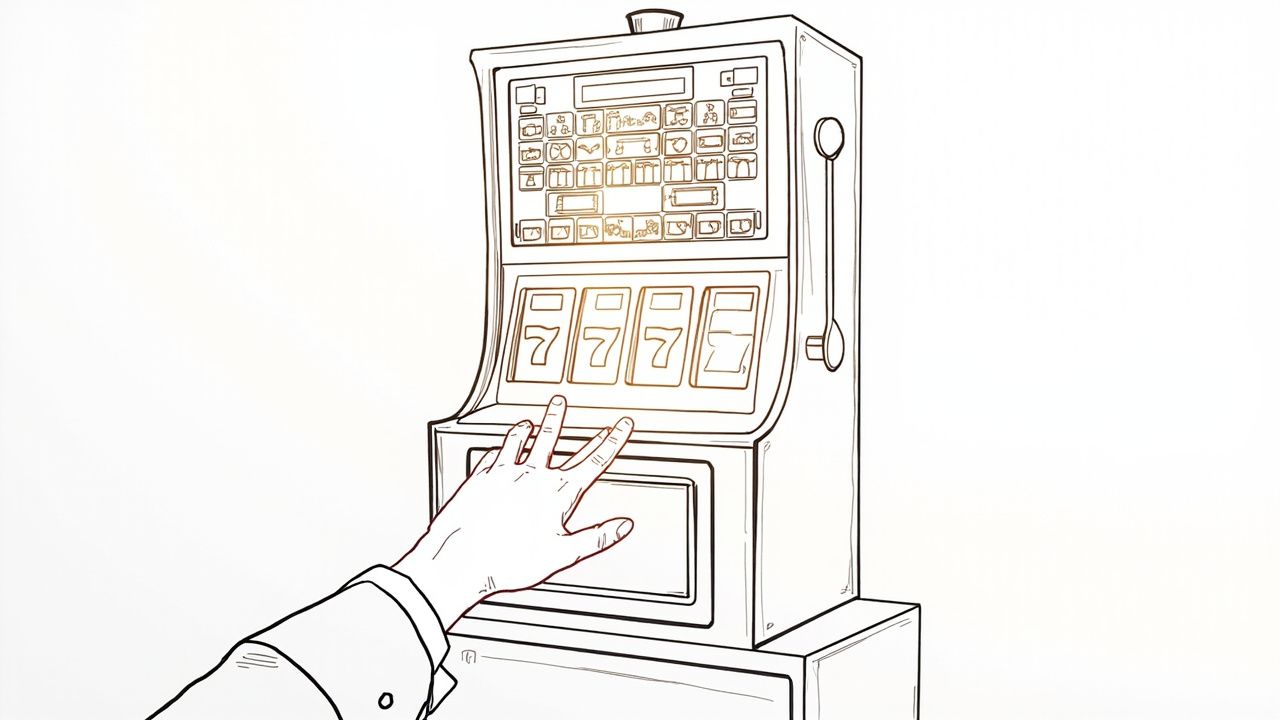
Bingo on iPhone is built 15-dragon-pearls-au.com around a narrower set of priorities than a sprawling desktop lobby, and that choice shows up in the way cards, daubing and prize tiers are presented. The grid is compressed so a full strip of cards sits within thumb reach without constant scrolling, and the daub animation is tuned to register on a light tap rather than a long press. That matters on a phone because a missed tap on a 3×3 mini-grid is the kind of friction that turns a quick session into a frustrated one.
Under the hood, the pacing leans on a fixed round cadence rather than a variable one, which is closer to how a well-tuned slot cycle keeps volatility readable than to a social sweepstakes feed that rewards constant refreshing. In a land-based production sense, that means the round timer, the card shuffle and the prize ladder are treated as a single loop, not three separate screens. The result is a lobby that feels calmer and a bit more measurable, even before you consider the bonus mechanics.
| Detail | Figure |
|---|---|
| Base currency | AUD |
| Card strip size | 3-6 cards per round |
| Round cadence | 4-7 minutes typical |
| Max bet per card | $2.50 AUD |
| Bonus buy | Not offered on bingo cards |
| Welcome bonus | Match + fixed free cards, wagering on bonus cards only |
| Support hours | 24/7 in-app chat, email within 12 hours |
If you want a second look at how chance and card distribution work in a comparable mobile setting, the breakdown in Understanding Online Bingo Chances With WildRobin Casino is worth a read for the way it separates ticket count from expected hit frequency.
That same analytical approach applies when evaluating broader platform reliability, particularly when assessing payout transparency and licensing standards. For a detailed breakdown of those operational metrics, the ricky review site provides consistent comparisons across operator features. You can access the full evaluation at https://ricky-casino-reviews-au.com/ to see how these structural factors align with your own risk tolerance.
What the iPhone setup actually asks of you
Getting bingo on iPhone running is mostly about whether the app or browser path fits your device and your connection, because the experience changes noticeably between the two. The native app keeps the card grid and daub response consistent across iOS versions, while the browser route is lighter on storage but depends more on the page rendering well on a smaller viewport. Either way, the registration flow is designed to be finished in a few minutes, with email verification and a basic identity check before any real-money card can be bought.
Payments are kept in AUD and the deposit path is built around common Australian methods, with the bonus applied as a mix of matched funds and a set of free cards that carry their own wagering terms. That structure is deliberately different from a slot-style bonus buy, because bingo cards are priced per round and the bonus is meant to extend play rather than push a single large stake. Ruby Martin, Payments Strategy Director, Koala Digital Group, has noted that keeping the bonus tied to card volume rather than a lump-sum stake helps the mobile session stay readable for players who are checking balances between errands.
Performance on the phone is where the design choices show up most. The card refresh is throttled so a poor connection does not turn the lobby into a stutter, and the prize notification is delivered as a short banner rather than a full-screen interrupt, which keeps a quick session from feeling like it has been hijacked. Navigation is kept to three main tabs – lobby, cards in play and account – so a player can move from buying a strip to checking a winning line without digging through menus. On a Sydney commute, that kind of layout is the difference between a tidy ten-minute play and a session that keeps getting interrupted by accidental taps and reloads.
A practical example for an ordinary reader: if you usually play a couple of cards while waiting for a coffee near Circular Quay, a fixed round cadence and a compact strip mean you can finish a line, cash a small win and close the app before the barista calls your order, without the lobby demanding another reload. That is the kind of fit that makes a phone-first bingo habit feel manageable rather than demanding.
That same low-friction rhythm matters even more when you’re juggling a commute or a quick break, because the best mobile platforms strip away the waiting and let you focus on the game itself. You can read more about how streamlined interfaces shape player retention on bingo online winkans, which breaks down why compact layouts and steady pacing consistently outperform cluttered alternatives. When the experience stays tight, the habit stays sustainable.
Who this phone-first bingo setup suits
Bingo on iPhone suits players who want a short, predictable session and a layout that does not fight a small screen, rather than players chasing long, high-variance lobbies. It is a reasonable fit for someone who likes to buy a strip, follow a round or two, and step away without the app nudging them back into a queue. The pacing and the card pricing keep the session visible, which is useful if you are tracking spend as part of a normal entertainment budget rather than treating it as a main event.
Abigail Nelson, Sports Betting Analyst, Blue Gum Gaming Council, has pointed out that mobile bingo products often work best when the player can see the round length and the card cost in the same glance, because that is what turns a phone session into a controlled habit instead of a drift. The same logic applies here: the iPhone setup is strongest when you want clarity about what you are buying and how long the round will take, not when you want a lobby that constantly reshuffles the priorities.
The trade-off is that a compact, phone-first lobby will not suit someone who wants a huge variety of rooms and side games on the same screen. If your preference is a busy lobby with lots of simultaneous activity and a more social feed, this style may feel too restrained. If your preference is a tidy card session that respects the limits of a phone and a commute, it lines up better.
For players weighing a phone-first bingo habit against other mobile options, the key question is whether the session length, card pricing and on-screen clarity match how you actually play on a phone, not whether the lobby looks the busiest. That is the comparison that matters before you deposit.